Loading...
Serving Reno, NV and surrounding areas. (775) 447-9279
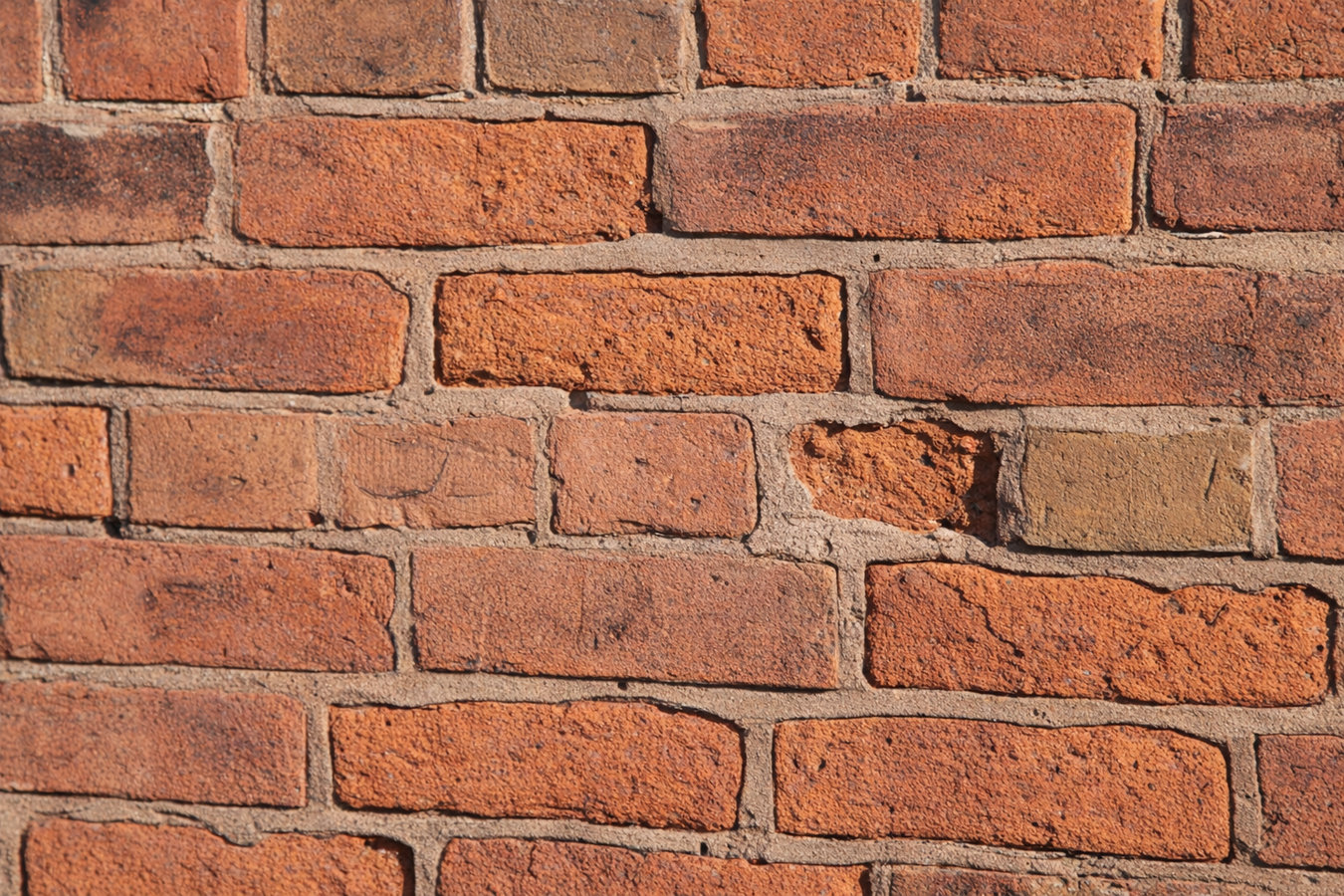
Crumbling mortar joints are open doors for water - and every Reno winter makes them wider. We remove the damaged material and replace it with a mortar matched to your wall and this climate, so the joints hold for the next 20 to 30 years.
Brick pointing in Reno means carefully removing the old, crumbling mortar from between your bricks and replacing it with fresh material matched to your wall's age and hardness, most chimney and wall repointing jobs take one to three days, while larger sections may run a week or more depending on access and how deep the damage goes.
Mortar wears out over time - that is by design, not a flaw. It is intentionally softer than the bricks around it so the joints absorb movement and stress instead of the bricks themselves. In Reno, the freeze-thaw cycle accelerates that wear significantly: water seeps into tiny cracks, freezes at night, and expands - widening the gap a little more every cold snap. At 4,500 feet, that cycle repeats dozens of times between November and March. Reno's older brick neighborhoods - particularly around Midtown and the University area - have structures with original mortars from the 1920s through the 1960s that require a careful match when repointing. Using modern high-strength mortar on those walls can actually damage the bricks themselves, since the brick absorbs stress instead of the joint. If your structure also needs work on the firebox or flue, our foundation repair and masonry restoration teams can assess the full picture at the same visit so nothing gets missed.
Catching mortar failure early is almost always less expensive than repairing the water damage that follows. If you are not sure whether your joints need attention, give us a call and we can schedule a look - usually within a few days.
Look at the lines between your bricks from a few feet away. If you can see dark gaps, or if the mortar looks sandy and recessed more than a quarter inch, water is already getting in. Run your finger along a joint - if material crumbles off easily, the joints are past due for attention. In Reno's winters, every gap is an entry point for water that will freeze and expand.
White chalky deposits on the outside of a brick wall after wet weather - called efflorescence - are a sign that water is moving through the joints and carrying dissolved minerals to the surface. Reno does not get a lot of rain, but when it does, failed mortar channels that water straight into your wall. The streaks are the symptom; the failing joints are the cause.
If sections of your wall have mortar that looks newer or different in color from the rest, a previous repair may have used the wrong material. Mismatched mortar that is harder than the surrounding bricks can cause the bricks themselves to crack over time as the wall moves. A mason can tell you quickly whether old patchwork is holding up or creating a new problem.
Many of Reno's brick homes in Midtown and the University area have original mortar that is now 50 to 80 years old. Even well-built mortar from that era has a finite lifespan, and Reno's freeze-thaw winters and intense summer sun have been working on it the whole time. If you have owned an older brick home for years and cannot recall any masonry work, it is worth having someone take a look before the next season does more damage.
We repoint chimneys, exterior brick walls, garden walls, and fireplace surrounds throughout the Reno area. Every job starts with an on-site assessment to identify how much old mortar needs to come out and to determine the right mortar mix for your wall's age and construction. For older Midtown and University-area homes, that assessment is especially important - using a mortar that is too hard for original lime-based walls can cause brick spalling that is more expensive to fix than the repointing job itself. The National Park Service Technical Preservation Services publishes detailed guidance on correct repointing practices for historic masonry, and we follow those standards for older structures.
For jobs that combine repointing with structural brick work - rebuilding a damaged section, repairing a chimney crown, or addressing water damage that has spread beyond the joints - our masonry restoration team handles the broader scope. We will be clear at the estimate visit about whether your project needs repointing only or something more involved, and we will not recommend a larger job if the simpler repair will do the work. In Reno's dry climate, we sometimes lightly mist fresh mortar during hot weather to slow the curing and prevent early cracking - a step that takes a few minutes but makes a real difference in joint longevity.
Best for homeowners whose chimney shows visible joint deterioration, white streaking, or has not been inspected in more than ten years - especially before a season of regular use.
Suited for older brick homes in Midtown, the University neighborhood, or any area where original mortar is showing its age and gaps are allowing water entry through the wall.
Good fit for retaining walls, garden borders, or decorative brick features where the mortar has cracked or pulled away from the brick face and needs restoration before the next winter.
Reno sits at roughly 4,500 feet in elevation, and winter temperatures regularly dip below freezing at night even when daytime highs are mild. That repeated cycle of freezing and thawing is one of the hardest things mortar can endure - water seeps into tiny cracks, freezes, expands, and widens the gap a little more each time. Mortar joints in Reno deteriorate faster than in warmer Nevada cities, and waiting a few extra seasons to address cracking joints usually makes the repair more expensive. Reno's average annual rainfall is well below 10 inches, and very low humidity means the air pulls moisture out of fresh mortar faster than in most U.S. cities. If mortar dries too quickly, it does not cure properly and can crack within months - a skilled local mason accounts for this by scheduling work during cooler parts of the day or lightly misting the new joints after application. The Reno-Sparks area also sits in a seismically active region, and even moderate tremors can open up joints that were already weakened by age or weather.
We handle brick pointing jobs throughout the Reno region, including Carson City and Sparks, where the same elevation, climate, and soil conditions apply. Many of Reno's older brick structures in Midtown and around the University of Nevada campus were built with softer, lime-based mortars that require a more careful approach than newer construction. We assess the existing mortar before recommending a mix - it is one of the most important decisions in masonry and one that is easy to get wrong without local experience.
We ask a few basic questions - where the brickwork is, what you have noticed, and roughly how old the structure is. We reply within one business day and schedule a free on-site visit. Do not trust a quote given over the phone without a site visit - the condition of existing mortar and the accessibility of the work area both affect the price.
The mason walks around the structure, checks how deep the damage goes, whether any bricks are cracked or loose, and looks at the existing mortar to understand what type of mix was originally used. You receive a written estimate breaking down what is included and the timeline - this is also when any permit questions get answered.
This is the noisiest part of the job. The mason uses a grinder or hand chisel to carefully remove the damaged mortar to a consistent depth - usually about three-quarters of an inch. The goal is solid, stable material without disturbing the bricks themselves. Expect some dust near the work area; the crew lays drop cloths and cleans up as they go.
Fresh mortar - matched to your wall's age and the local climate - is packed into each joint and tooled to match the original profile. In Reno's dry air, the mason may mist the joints lightly after application to slow drying and promote proper curing. New joints need to stay dry for at least 24 to 48 hours; full strength takes up to four weeks.
Free written estimate. No obligation. We reply within one business day.
(775) 447-9279Using the wrong mortar on an older brick wall is one of the most common and damaging mistakes in repointing work. We assess your existing mortar before recommending a mix - especially on Reno's pre-1970 brick stock, where lime-based originals require a softer match. The right mortar choice is what makes new joints last 25 years instead of five.
We schedule outdoor repointing for the right conditions - not during Reno's extreme summer heat or hard winter freezes, when mortar cures poorly. In hot, dry weather, we mist fresh joints to slow the drying process. These are details that matter for longevity and that a mason without local experience may skip.
The Reno-Sparks area sits in a seismically active zone, and tremors can open joints that were already weakened. We check for seismic-related joint displacement as part of any assessment visit - not just visible surface wear. Catching this damage early, before water finds its way in, is especially important for chimneys and older exterior walls.
We will tell you honestly at the estimate visit whether repointing is the right call or whether the underlying structure has issues that repointing alone will not fix. We will not recommend a larger job if the simpler repair will do the work - and we will not propose patching if the wall actually needs rebuilding. You get an accurate assessment before any money changes hands.
Brick pointing done correctly in Reno's climate protects your home for the next 20 to 30 years. Our approach - matched mortar, proper curing, and a transparent assessment process - is what makes that possible on every job we take on.
If water has been getting through failed mortar joints for years, the foundation deserves a look - we assess structural integrity and drainage as part of any foundation visit.
Learn MoreWhen repointing is not enough and a brick structure needs structural rebuilding, crown repair, or water damage remediation, our restoration team handles the broader scope.
Learn MoreSpring and fall booking slots fill fast - lock in your date before Reno's next freeze-thaw season does more damage to your mortar joints.