
Brick & Stone Steps Repair & Build
Safe, beautiful brick and stone steps that enhance your home's entrance and curb appeal.
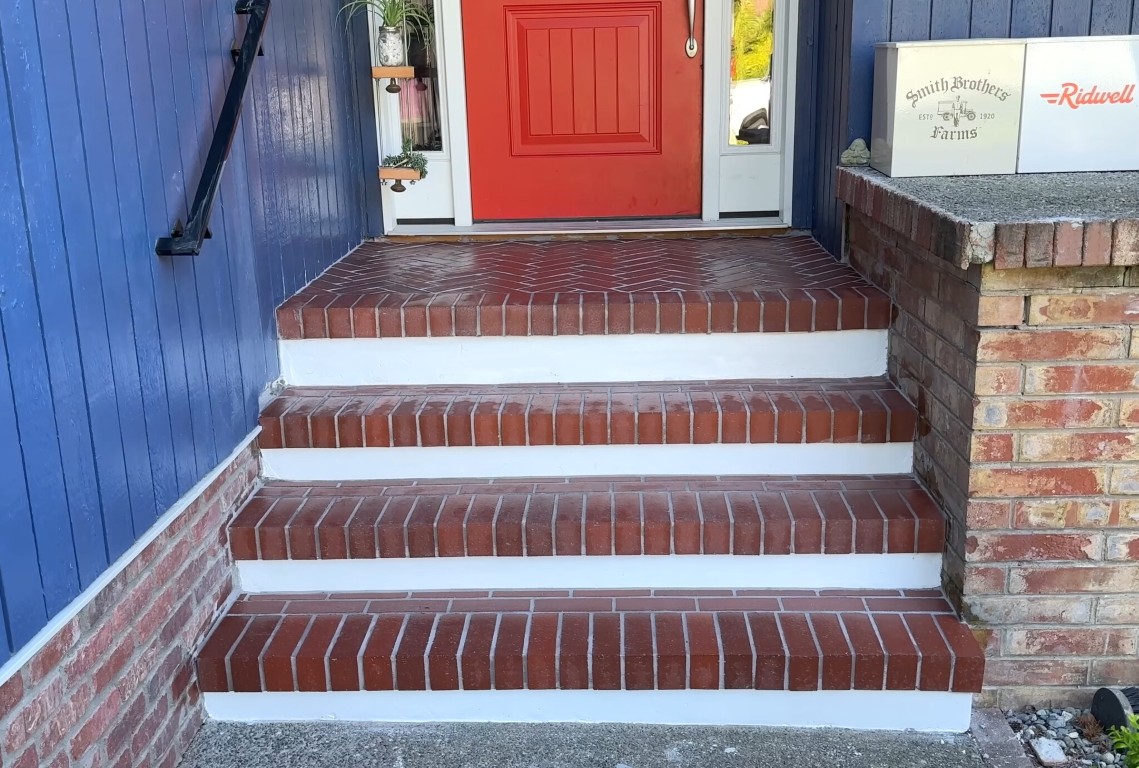
Why Steps Matter for Your Home
Your front steps create first impressions that visitors remember. These structures serve critical functions beyond aesthetics, providing safe passage between different elevations around your property. Damaged or poorly designed steps pose serious safety hazards to family members and guests. Uneven treads cause trips and falls, especially dangerous during Reno's winter months when ice forms on surfaces. Crumbling edges and loose materials create unstable footing. You deserve steps that look great while meeting strict safety standards.
Brick and stone steps add architectural character that complements your home's style. These materials offer superior durability compared to wood or concrete alternatives. Natural stone withstands decades of foot traffic and weather exposure without deteriorating. Brick steps gain charm as they age, developing patina that enhances their appearance. Proper construction ensures steps remain stable through freeze-thaw cycles and ground movement. Quality materials resist staining, chipping, and weather damage that plague inferior options.
Property values increase when you invest in quality masonry steps. Real estate agents note that well-maintained entryways significantly influence buyer perceptions. Beautiful steps set positive tones for your entire property. Conversely, deteriorating steps signal neglect that concerns potential buyers. We design and build steps that enhance curb appeal while providing decades of reliable service. From simple front entries to elaborate terraced staircases, our team brings expertise to every project. Local building codes require specific dimensions and safety features that we incorporate into all our work.
Signs Your Steps Need Repair or Replacement
Cracks in steps start small but expand quickly without intervention. Temperature changes cause masonry to expand and contract, widening existing cracks. Water enters these openings and freezes, creating pressure that breaks materials apart. Hairline cracks often signal deeper structural issues requiring professional assessment. Vertical cracks typically indicate settlement or foundation problems. Horizontal cracks suggest stress from above or inadequate support below. Step edges crumbling away create trip hazards and expose interior materials to moisture.
Wobbly or loose steps demand immediate attention before someone gets hurt. Movement when you walk on steps indicates failed mortar joints or foundation problems. Steps pulling away from your house create gaps where water enters, potentially damaging your foundation. Settling causes uneven treads that violate building codes and safety standards. You might notice steps tilting to one side or developing noticeable slopes. These conditions result from inadequate base preparation or soil erosion beneath structures.
Spalling occurs when brick or stone surfaces flake off in layers. This common problem results from moisture trapped inside materials. When water freezes, it expands and pops off the outer surface. Spalling accelerates once it starts because damaged areas absorb even more moisture. You will see rough, pitted surfaces where smooth finishes once existed. Salt used for ice control accelerates spalling on steps. Severe spalling compromises structural integrity beyond just appearance issues.
Crumbling mortar between bricks or stones allows water infiltration and reduces stability. Mortar typically lasts 25 to 30 years before requiring replacement. Older homes often have deteriorated mortar joints needing attention. You can test mortar by gently scratching with a screwdriver. If it crumbles easily, repair work is overdue. Missing mortar creates voids where water collects and freezes. This moisture wreaks havoc on surrounding materials. Professionaltuckpointing servicesrestore mortar joints before damage spreads to bricks and stones.
Design Considerations for New Steps
Safety and Building Codes
Building codes exist to ensure step safety through standardized dimensions. Tread depth must measure at least 10 inches to provide stable footing. Risers between 4 and 7 inches high create comfortable climbing angles. Consistent riser heights prevent trips caused by unexpected changes. Maximum variation of 3/8 inch between risers meets code requirements. Steps need minimum 36-inch width, though 48 inches provides more comfortable passage. Handrails become mandatory when you have four or more risers.
Proper drainage protects steps from water damage and ice buildup. We slope treads slightly forward so water runs off rather than pooling. Landing areas need adequate drainage to prevent water from flowing back toward steps. During Reno winters, this drainage prevents dangerous ice formation. Proper grading around steps directs water away from foundations. We install drainage systems when necessary to handle heavy runoff. These considerations prevent premature deterioration and safety hazards.
Material Selection
Natural stone steps offer unmatched beauty and longevity. Granite provides exceptional durability with slip-resistant surfaces. Bluestone delivers refined elegance in sophisticated gray tones. Sandstone creates warm, inviting entries with earth-tone colors. Limestone offers classic appeal that suits traditional and contemporary homes. Each stone type has unique characteristics affecting appearance, texture, and maintenance needs. We help you select materials matching your home's architecture and your aesthetic preferences.
Brick steps complement homes featuring brick facades or traditional architecture. Modern brick comes in dozens of colors and textures beyond standard red. You will find options ranging from creamy whites to charcoal grays. Handmade bricks add character with subtle color variations. Engineering bricks offer maximum strength for high-traffic areas. Combining brick treads with stone caps creates beautiful contrasts. We match new brick work to existing masonry for cohesive appearances.
Mixing materials adds visual interest while serving functional purposes. Stone treads paired with brick risers create classic looks. Stone caps protect brick edges from damage and weather. Decorative borders define step edges and enhance safety. Lighting integrated into steps improves nighttime visibility and creates ambiance. We incorporate these details during planning to avoid costly modifications later. Every design decision balances aesthetics, safety, durability, and budget considerations.
Our Step Construction Process
Professional step construction begins with careful site analysis and accurate measurements. We evaluate soil conditions, drainage patterns, and existing structures. Our team identifies potential issues before they become problems during construction. We measure elevations precisely to calculate ideal riser heights and tread depths. Computer design software creates visualizations showing how finished steps will look. You approve designs before we order materials or begin work.
Proper foundation work determines whether steps last decades or fail within years. Here is our construction approach:
- Excavation below frost line prevents frost heaving and settling
- Compacted gravel base provides stable, well-draining foundation
- Reinforced concrete footings support masonry weight properly
- Moisture barriers protect foundations from water damage
- Precise layout ensures consistent riser heights throughout
- Quality mortar mixed to proper consistency for maximum strength
- Full mortar beds support each stone or brick completely
- Proper curing time allows materials to achieve full strength
Skilled craftsmen make the difference in finished quality. Our masons select each stone or brick for best fit and appearance. They cut materials precisely using specialized equipment. Mortar joints receive careful attention to ensure weathertight seals and attractive finishes. We maintain consistent joint widths for professional appearances. Edge details receive special care because they endure the most wear and weather exposure.
Most step projects complete within one to two weeks depending on size and complexity. Weather affects timelines since masonry requires appropriate temperatures for proper curing. We protect your existing landscaping and maintain clean work areas. After completion, we explain maintenance requirements and answer your questions. New steps need a few weeks to cure fully before enduring heavy traffic. We stand behind our work with warranties covering both materials and workmanship.
Maintenance Tips for Lasting Beauty
Regular cleaning keeps steps looking their best while preventing damage. Sweep away debris weekly to prevent organic staining and deterioration. Dirt and leaves trap moisture against surfaces, accelerating weathering. Use garden hoses for routine washing or pressure washers for deeper cleaning. Moderate pressure settings clean effectively without damaging mortar joints. Address spills quickly before they cause permanent stains. Oil, rust, and organic materials require specific cleaning products designed for masonry.
Sealing protects porous materials from moisture absorption and staining. Natural stone benefits from quality penetrating sealers applied every few years. These products enhance color while providing protection. Sealers prevent salt damage during winter months when you treat steps for ice. Some materials like dense granite need minimal sealing while softer stones require more frequent applications. We recommend appropriate products based on your specific materials. Proper sealing extends material life and simplifies maintenance.
Winter care prevents ice damage while maintaining safety. Avoid using rock salt or chemical deicers that damage masonry. Calcium chloride offers less harmful alternative for melting ice. Sand provides traction without chemical damage. Remove snow promptly to prevent melt-freeze cycles. Standing water that repeatedly freezes and thaws causes spalling and cracks. Installing heating cables prevents ice formation on frequently used steps. This investment provides safety while protecting your masonry.
Annual inspections catch small problems before they become expensive repairs. Check mortar joints for cracks or missing material. Look for loose or damaged bricks and stones. Identify drainage issues where water pools on or near steps. Address vegetation growing in joints immediately because roots cause damage. Minor repairs cost little when completed promptly. Neglected problems escalate into major reconstruction projects. We offer inspection and maintenance services to keep your steps in excellent condition. Consider our expertise for other projects like brick restoration or masonry services throughout your property.