Tuckpointing & Repointing Services
Precision tuckpointing and repointing to restore mortar joints and prevent water damage in Reno, NV.
What Is Tuckpointing and Why It Matters
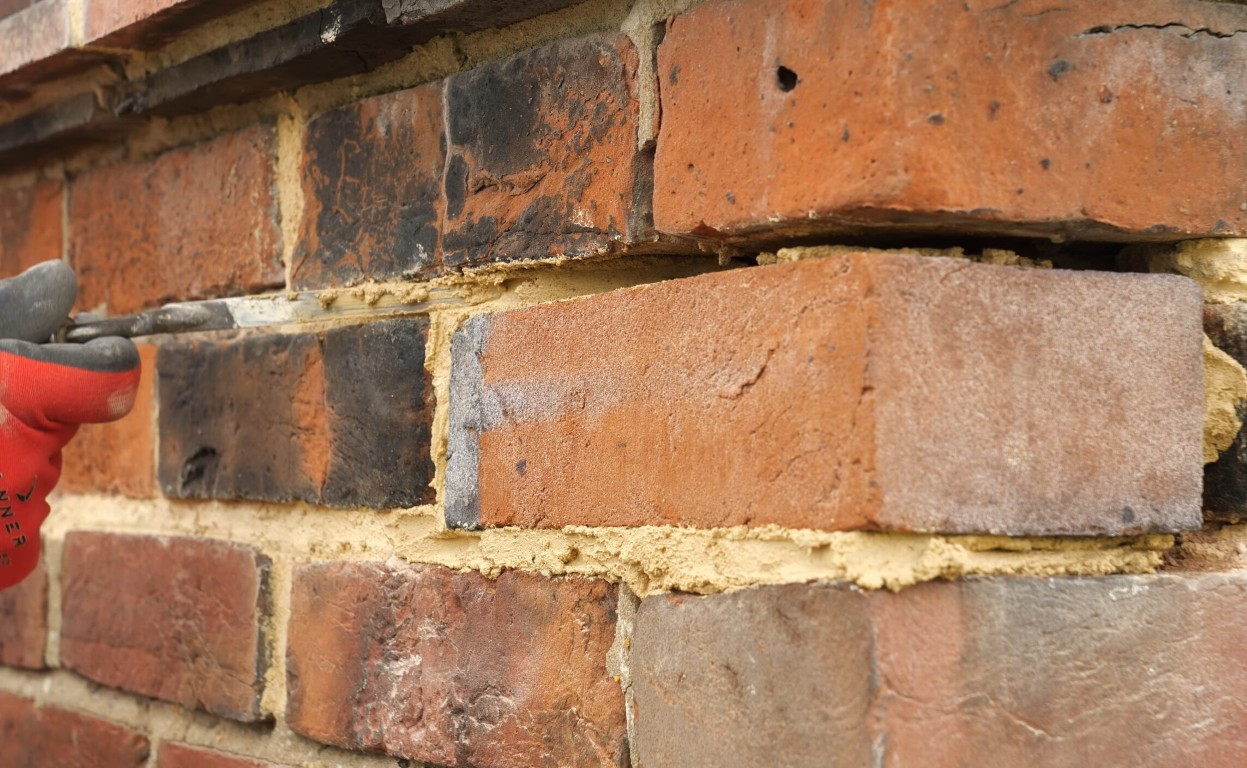
Tuckpointing refers to the process of removing deteriorated mortar from joints between bricks and replacing it with fresh material. The term comes from a traditional technique where masons use two contrasting colors of mortar to create fine lines that make joints appear perfectly straight. Today, most people use tuckpointing and repointing interchangeably to describe mortar joint repair. This essential maintenance protects your masonry investment and prevents serious structural damage.
Mortar serves as the glue holding bricks together while allowing slight movement as temperatures change. Over time, weather exposure causes mortar to deteriorate and crumble. In Reno, our extreme temperature swings accelerate this process. Summer heat can reach over 100 degrees while winter nights drop well below freezing. These cycles cause mortar to crack and pull away from bricks. Rain and melting snow seep into damaged joints, leading to water intrusion problems that spread throughout your walls.
When you notice crumbling mortar joints, acting quickly saves you money and prevents extensive damage. Deteriorated joints allow water behind your brick walls, damaging insulation and creating conditions for mold growth. Freeze-thaw cycles cause trapped water to expand, cracking bricks and causing spalling. What starts as minor joint deterioration can lead to complete wall failure if left unaddressed. Professional tuckpointing restores the waterproof barrier and structural integrity of your masonry. We recommend inspecting mortar joints annually and scheduling tuckpointing when you see signs of deterioration. This preventive maintenance extends the life of your brick structures by decades.
Signs Your Masonry Needs Tuckpointing
Crumbling or missing mortar represents the most obvious sign your masonry needs attention. You might notice small piles of sand-like material at the base of brick walls. This is deteriorated mortar that has fallen from joints above. When you can easily scrape mortar out with a screwdriver or your finger, the joints have lost their strength. Gaps appearing between bricks and mortar indicate separation that allows water intrusion. Deep cracks running through mortar joints create pathways for moisture penetration.
White staining on brick surfaces signals water moving through your masonry. This efflorescence occurs when water dissolves salts in the mortar and deposits them on brick faces as it evaporates. While the white staining itself does not damage bricks, it indicates moisture problems that need correction. The water causing efflorescence also damages mortar joints and can lead to brick spalling. Dark or damp spots on interior walls near exterior brick suggest serious water intrusion through failed joints.
Loose or moving bricks indicate that mortar joints no longer hold them securely in place. You might feel bricks shift when pressed or see them protruding from the wall surface. This condition creates immediate safety hazards because bricks can fall and cause injury. Loose bricks also compromise the structural integrity of entire wall sections. When mortar fails to this extent, it affects surrounding areas and damage spreads rapidly.
Visible daylight through mortar joints means holes have opened up completely. This allows not just water but also insects and small animals to enter your wall cavities. You might notice drafts near brick walls or higher energy bills from air leakage. These openings also let cold air directly into your home during winter months. Professional tuckpointing seals these gaps and restores your wall's thermal performance. From residential homes to commercial buildings, we identify and correct all types of mortar joint problems.
Our Tuckpointing Process
Professional tuckpointing requires skill, proper tools, and quality materials to achieve lasting results. The process begins with careful removal of deteriorated mortar without damaging surrounding bricks. We use specialized grinders and hand tools to cut out old mortar to proper depth. Joints need sufficient depth for new mortar to achieve strong mechanical bonding. Cutting too shallow results in weak repairs that fail quickly. Cutting too deep risks cracking bricks. Our experienced masons know exactly how to prepare joints for optimal results.
Here is what happens during a tuckpointing project:
- Thorough cleaning of joints to remove all loose material and debris
- Pre-wetting of joints so bricks do not pull moisture from new mortar
- Mixing mortar to match existing color, strength, and texture
- Carefully packing mortar into joints using proper tools and techniques
- Striking joints to match original profile and ensure water shedding
- Proper curing time with protection from extreme temperatures
Matching mortar color and texture makes repairs blend seamlessly with existing work. We analyze your original mortar and create custom mixes that disappear into the wall. Matching strength is equally important because modern Portland cement mortars are often too hard for old bricks. Using mortar stronger than the bricks traps moisture and causes spalling. Historic buildings require lime-based mortars that match the flexibility of original materials. After completing tuckpointing, we clean all surfaces and inspect work to ensure it meets our quality standards. Proper curing is essential for achieving maximum strength and durability.
The Difference Between Tuckpointing and Repointing
While many people use these terms interchangeably, tuckpointing and repointing have slightly different meanings. Repointing simply means removing old mortar and replacing it with new material of similar appearance. This straightforward repair restores function without decorative elements. Most modern masonry repair falls into this category. We match the mortar color to blend with existing joints and restore your wall's original appearance.
True tuckpointing involves a more complex technique dating back centuries. After filling joints with mortar that matches brick color, masons add thin lines of contrasting colored mortar down the center of each joint. This creates the illusion of very fine, perfectly straight joints. The technique was originally used to make rough brickwork appear more refined. Today, true tuckpointing remains popular for historic restoration projects and high-end architectural work. It requires exceptional skill and patience to execute properly.
For most residential and commercial projects in Reno, standard repointing provides excellent results without the extra cost of decorative tuckpointing. We recommend the approach that makes sense for your specific situation and budget. Historic buildings sometimes require true tuckpointing to maintain their original character. We have experience with both techniques and can show you examples to help you decide. Whether you need basic joint repair or decorative work, we deliver quality craftsmanship that protects and enhances your masonry. Our brick repair services complement tuckpointing to provide complete masonry care.
Preventing Future Mortar Deterioration
After investing in professional tuckpointing, you want results that last as long as possible. Proper drainage around your foundation prevents water from pooling against brick walls. Keep gutters clean and make sure downspouts direct water at least six feet away from your building. Standing water near foundations accelerates mortar deterioration and causes numerous other problems. Grade soil to slope away from your walls so rain runs off rather than soaking in.
Trim vegetation that grows directly against brick surfaces. Plants trap moisture against walls and their roots can damage mortar joints. Ivy and climbing vines look attractive but cause significant masonry damage over time. The tendrils work into joints and pry them apart as they grow. Leaves and debris from plants hold moisture against bricks, promoting deterioration. Keep plantings at least 18 inches away from brick walls for proper air circulation.
Regular inspections catch minor problems before they require extensive repairs. Walk around your property each spring and look for signs of mortar damage. Check areas that receive heavy weather exposure first, particularly walls facing prevailing winds. Inspect near roof lines where water runoff concentrates. Look at ground level where splash-back from rain hits walls. Catching deterioration early allows simple repairs that cost far less than waiting until damage spreads.
Professional-grade sealers can protect mortar joints from water absorption when applied correctly. Not all masonry should be sealed because some brick types need to breathe and release moisture. We evaluate your specific situation and recommend appropriate protective measures. Quality tuckpointing combined with proper maintenance keeps your masonry looking great and performing well for 30 years or more. Whether you need routine maintenance or major restoration, we provide expert care for all types of masonry structures. Our chimney repair services also include comprehensive tuckpointing to keep your entire system watertight and safe.