Paver Walkways & Driveways
Create stunning, durable paver walkways and driveways that enhance your property's beauty and value.
Why Choose Pavers Over Concrete or Asphalt
Paver walkways and driveways offer significant advantages over traditional concrete or asphalt surfaces. These interlocking units create flexible surfaces that move with ground shifts without cracking. Concrete slabs develop ugly cracks from settling, temperature changes, and tree roots. Once cracked, concrete repairs remain visible and compromise structural integrity. Asphalt driveways require regular sealing and eventually need complete replacement. Pavers last decades longer while maintaining their appearance and never need full replacement. Individual damaged pavers can be swapped out easily without affecting surrounding areas.
Design flexibility makes pavers perfect for creative landscaping. You can choose from countless colors, shapes, and patterns impossible with poured surfaces. Mixing colors creates borders, accents, and custom designs that reflect your personal style. Curved walkways follow natural landscape contours beautifully. Circular driveways and elaborate patterns add architectural interest. Reno's diverse home styles from modern to traditional all benefit from appropriate paver selections. The material complements any architecture while providing practical, durable surfaces.
Property values increase substantially with quality paver installations. Real estate professionals consistently note that homes with paver driveways and walkways command premium prices. First impressions matter immensely, and beautiful hardscaping creates immediate positive impact. Beyond aesthetics, properly installed pavers provide superior performance in Reno's climate. The material handles freeze-thaw cycles better than concrete. Pavers do not develop the surface deterioration common with asphalt in hot summers. Your investment delivers decades of beauty and function with minimal maintenance required.
Paver Material Options and Characteristics
Concrete Pavers
Concrete pavers represent the most popular choice for residential applications. Modern manufacturing creates units three times stronger than standard concrete with exceptional durability. You will find incredible variety in colors from earth tones to vibrant hues. Shapes range from traditional rectangular bricks to contemporary large format units. Tumbled finishes provide aged appearances while smooth surfaces offer clean, modern looks. Color runs throughout the paver thickness so chips and wear remain inconspicuous. Quality manufacturers warranty their products for 25 to 50 years against defects.
Permeable pavers address environmental concerns and drainage issues simultaneously. These specially designed units allow water to filter through joints into gravel reservoirs below. This reduces runoff, prevents puddling, and helps recharge groundwater. Many municipalities encourage or require permeable surfaces to manage stormwater. You get functional drainage without sacrificing aesthetics. Permeable pavers come in attractive styles that look identical to standard units. The environmental benefits combined with practical advantages make them increasingly popular.
Natural Stone Pavers
Natural stone pavers deliver unmatched elegance and authentic beauty. Granite pavers provide extreme durability with resistance to weathering, staining, and wear. The material comes in grays, blacks, pinks, and earth tones with natural variation. Bluestone offers sophisticated blue-gray coloring perfect for formal settings. Sandstone creates warm, inviting paths in beiges, tans, and rust tones. Travertine brings Mediterranean luxury with cream and tan hues. Each stone type has unique characteristics affecting appearance, slip resistance, and maintenance needs.
Natural stone costs more than concrete pavers but delivers timeless appeal. The material actually improves with age as it develops natural patina and weathering. No two installations look identical because of natural color and texture variations. Stone pavers require experienced installers who understand working with natural materials. Thickness variations need accommodation during installation. Proper sealing protects most stones from staining while maintaining their breathable properties. The investment pays dividends through superior longevity and unmatched beauty.
Clay Brick Pavers
Clay brick pavers offer traditional charm and proven durability. These fired clay units have served in streets and walkways for centuries. The material develops rich patina over time that enhances rather than diminishes appearance. Natural earth tones range from warm reds to soft browns. Clay pavers resist fading because color results from natural clay rather than added pigments. The material performs excellently in freeze-thaw conditions common in Reno winters. Brick pavers complement historic homes and traditional architecture perfectly.
Installation flexibility allows countless pattern possibilities. Running bond creates clean lines while herringbone adds visual interest. Basket weave patterns provide traditional appeal. Combining different colored bricks creates borders and accents. Clay pavers typically cost more than concrete but less than premium natural stone. The material requires no sealing and needs minimal maintenance. Individual damaged units can be replaced easily. Your brick paver installation will outlast most other hardscaping materials while requiring almost no upkeep.
Design Considerations for Walkways and Driveways
Walkway Planning
Walkway design starts with understanding traffic patterns and functional needs. Main entries require wider paths, typically 4 to 5 feet, allowing two people to walk comfortably side by side. Secondary paths can be narrower at 3 feet wide. Curved walkways create interesting landscapes and feel more natural than straight lines. Consider sight lines from your home and street when planning routes. Lighting placement affects both safety and ambiance, so plan for fixtures during design phase. Steps become necessary when elevation changes exceed comfortable slopes.
Pattern selection dramatically impacts walkway appearance. Simple running bond patterns work well for contemporary designs. Herringbone and basket weave add traditional character. Random patterns suit natural stone installations. Borders define edges and create finished appearances. Contrasting colors highlight patterns and add visual interest. We can incorporate medallions, compass designs, or custom inlays for personalization. Material transitions where walkways meet driveways or patios need careful planning for seamless integration.
Driveway Considerations
Driveway design requires balancing aesthetics with practical vehicle needs. Standard single-car driveways need minimum 10-foot width while two-car driveways require 18 to 24 feet. Adequate turning radius prevents vehicles from driving on lawn areas. Grade and drainage must direct water away from garage and home foundations. Vehicle weight necessitates proper base preparation thicker than walkway requirements. High-traffic areas near garage doors benefit from thicker pavers with higher compressive strength.
Pattern choices affect both appearance and performance. Large format pavers minimize joints while creating contemporary looks. Traditional patterns like running bond provide timeless appeal. Soldier courses create borders that frame driveways beautifully. Color selection should complement your home's exterior. Mixing colors can delineate parking areas or add visual interest. Snow removal consideration matters in Reno where occasional winter storms require plowing. Proper edge restraints prevent spreading from vehicle weight and turning forces.
Combining Walkways and Driveways
Coordinated hardscaping creates cohesive property appearances. Using similar materials and colors for walkways and driveways provides visual harmony. Varying patterns between different areas adds interest while maintaining unity. Borders and accents tie elements together. Consider how hardscaping interacts with landscaping, lighting, and architecture. Professional design ensures all elements work together beautifully. We create comprehensive plans addressing both immediate needs and future expansion possibilities. Many clients start with driveways then add walkways or patios as budget allows, so planning for coordination matters.
Professional Installation Process
Quality paver installation requires extensive site preparation and experienced crews. We begin with thorough site evaluation including soil conditions, drainage patterns, and existing utilities. Underground utility location prevents expensive mistakes and dangerous situations. We mark out project areas precisely and obtain necessary permits. Design consultations ensure you understand the process and final appearance. Computer-aided design creates visual representations helping you make confident decisions about materials and patterns.
Proper base construction determines long-term performance. Here is what goes into professional paver installation:
- Excavation to proper depth based on use and soil conditions
- Soil compaction creating stable subgrade foundation
- Geotextile fabric preventing soil mixing with base materials
- Gravel base installation in compacted lifts for maximum density
- Precise grading ensuring proper drainage away from structures
- Leveling course of sand providing smooth, consistent surface
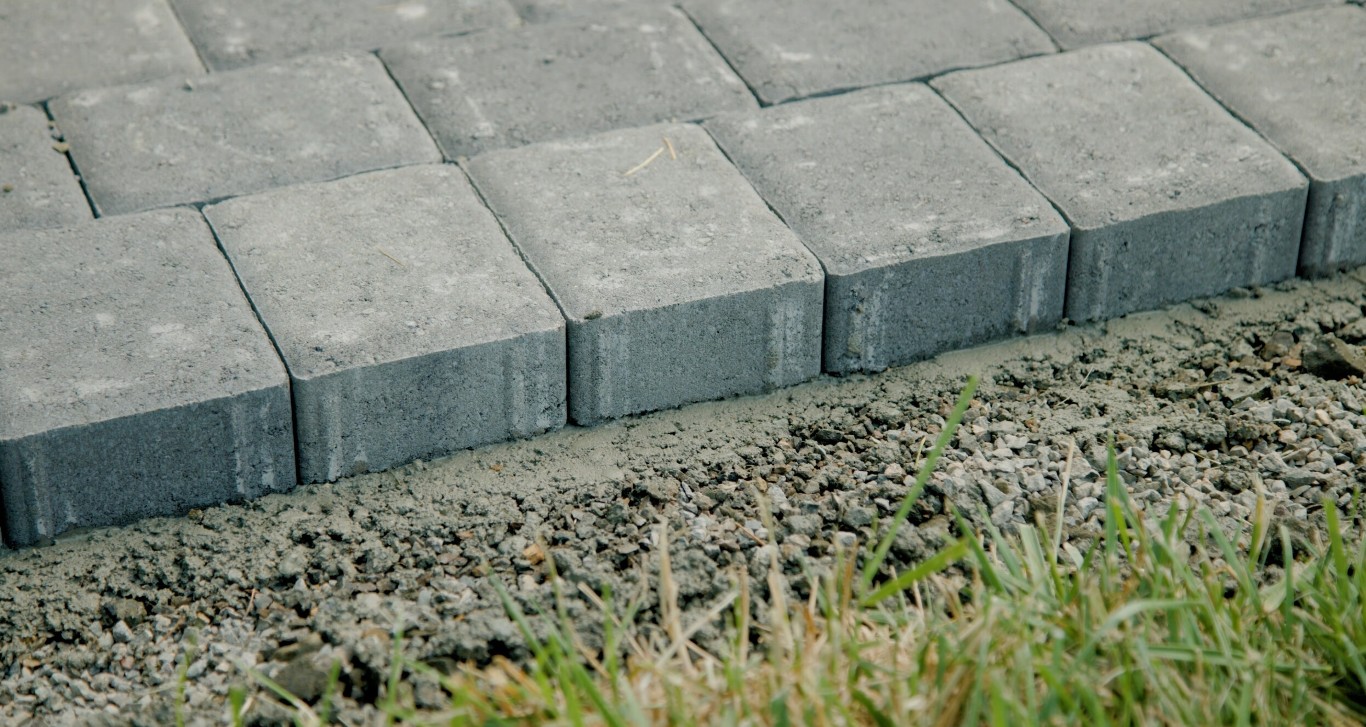
- Edge restraints preventing spreading and maintaining alignment
- Careful paver placement following approved design patterns
- Cutting and fitting around obstacles and edges
- Joint filling with polymeric sand resisting weeds and erosion
- Final compaction locking everything securely in place
Skilled installation makes the difference between surfaces lasting decades versus failing within years. Our crews use proper equipment including plate compactors and cut-off saws. Laser levels ensure consistent grades and eliminate low spots where water might collect. Experienced craftsmen recognize and address soil issues before they cause problems. We protect existing landscaping and clean work areas daily. Quality control inspections throughout the process ensure everything meets our high standards.
Most residential driveway projects complete within one to two weeks. Walkways often finish in days depending on length and complexity. Weather delays occasionally extend timelines but we work efficiently minimizing disruption. After installation, surfaces need brief settling period before heavy vehicle traffic. We provide detailed care instructions and answer any questions. Follow-up visits ensure your complete satisfaction. Our workmanship warranties back the quality installation you deserve.
Maintenance and Long-Term Performance
Paver surfaces require minimal maintenance compared to asphalt or concrete. Regular sweeping removes debris that might stain or promote weed growth. Occasional washing with water and mild detergent keeps surfaces looking fresh. Pressure washing removes stubborn stains but use moderate pressure avoiding joint sand displacement. Address oil spills promptly using absorbent materials and appropriate cleaners. Most stains respond to products designed for concrete and masonry available at home centers.
Joint sand occasionally needs replenishment after heavy rains or pressure washing. Polymeric sand offers superior performance compared to regular sand. This specially formulated product hardens after wetting, resisting erosion and preventing weed growth. Proper application requires completely dry pavers and appropriate weather conditions. We recommend professional reapplication ensuring optimal results. Well-maintained joints keep your installation stable and attractive. Weed growth occasionally happens but pulls easily when small or responds to spot treatments.
Sealing remains optional but provides additional protection and appearance enhancement. Quality sealers guard against staining, oil absorption, and color fading. Sealed surfaces clean more easily and resist organic growth. The treatment can enhance color intensity making pavers look vibrant. Not all pavers need sealing, especially those with integral sealants. We advise on whether sealing benefits your specific installation. Typical reapplication intervals range from two to five years depending on traffic and exposure.
Individual damaged pavers can be replaced without affecting surrounding areas. This represents major advantage over concrete requiring extensive repairs for small problems. Keep extra pavers from installation for future repairs and best color matching. Proper base installation prevents most settling issues. Minor settling that occurs can be corrected by lifting affected pavers, adding base material, and reinstalling. Your investment in quality installation pays dividends through decades of low-maintenance beauty. Consider our other hardscaping services likeretaining wallsto complete your outdoor transformation, or explore our full range of masonry services for Reno properties.